You’re Not Too Much: Identity, Emotions, and Taking Up Space
In our recent Zola Counseling Solutions panel, “You’re Not Too Much: Managing Emotions Without Shame,” we explored what it means to have big feelings without labeling ourselves as “too sensitive,” “too dramatic,” or “too much.” In my part of the conversation, I focused on how our identities—and the roles we carry—deeply shape the way we experience, express, and sometimes suppress our emotions.
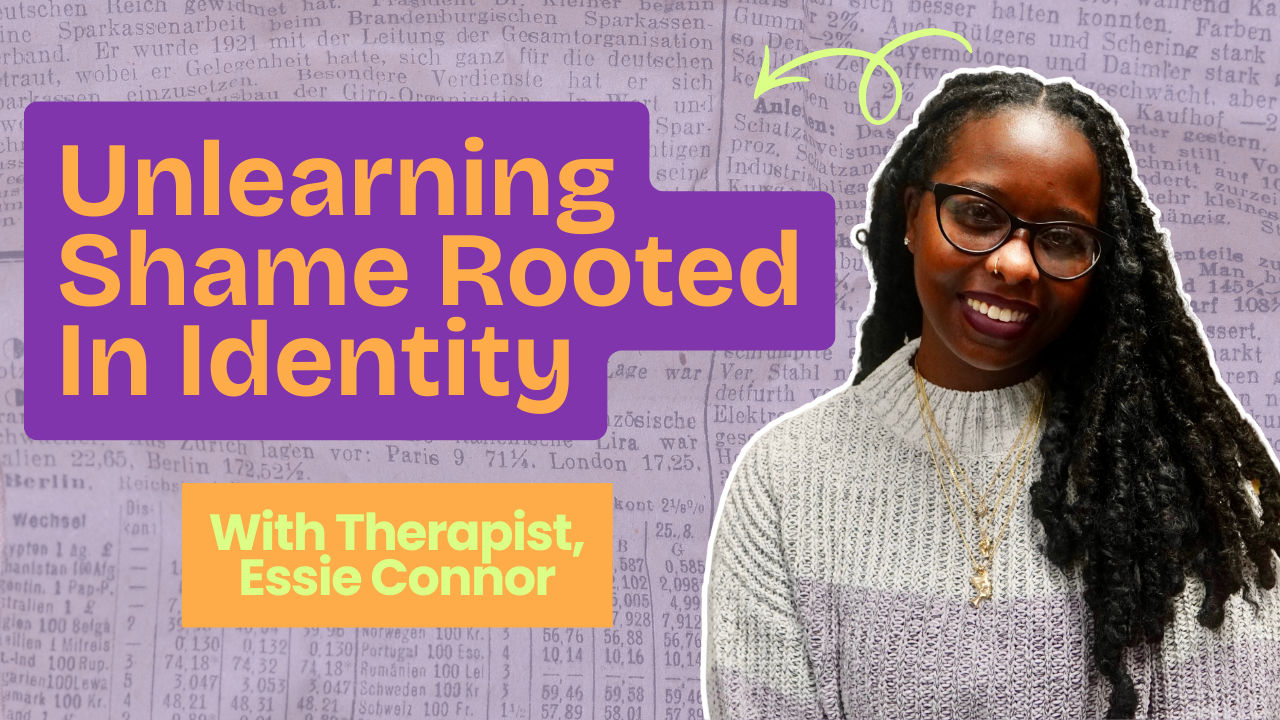
As a queer, sex‑positive therapist who works with BIPOC communities, ethical non‑monogamy, stress, anxiety and relationship concerns, I often start by helping clients name their salient identities: the roles and identities that feel most prominent in their lives. These can be social identities (Black, queer, non‑binary, bisexual) and relational identities (caretaker, eldest daughter, leader, backbone of the family.
One example I shared on the panel is the parentified daughter. The person who has been the emotional backbone of the family for as long as she can remember. She’s the mediator, helper, organizer, and quiet therapist for everyone else, and over time that identity can make it hard to be vulnerable or to say “I need” or “I want” in adult relationships. When you’re used to caring for others, receiving care can feel uncomfortable or even “wrong,” and that’s often where emotional overwhelm and shame start to build.
Understanding our salient identities isn’t about blaming ourselves; it’s about finally seeing the patterns behind our reactions. Once we recognize, “I always show up as the caretaker,” or “I’m the one who holds everything together,” we can gently ask: What does it cost me emotionally to stay in this role all the time? From there, we can practice taking up more space, setting boundaries, honoring our capacity (not just our capability), and letting ourselves be fully human in our relationships.
If this resonates with you, I’d love for you to watch the full conversation in the YouTube video above. And if you notice yourself in these patterns - overworking, caretaking, feeling overwhelmed or unseen - and want support in untangling how your identities and experiences show up in your emotions and relationships, you can also book a therapy consultation with me to explore whether working together might be a good fit.
About The Author

This article was written by Essie Connor, LGPC, a Therapist in Maryland and Virginia with a clinical focus on trauma, anxiety and perfectionism. Essie works with individuals working through perfectionism, LGBTQIA concerns and identity challenges.
If you’re considering therapy and want to explore whether Essie may be a good fit, you can learn more about her clinical approach and areas of expertise or book a free phone consultation with Essie to discuss your needs and next steps.