
Understanding the History of Pride Month
As we enter June, we commemorate LGBTQIA+ Pride Month. This month provides an opportunity to reflect on the progress that has been made toward equality, acknowledge the challenges that continue to exist for the LGBTQIA+ community, and celebrate the lasting impact that Queer individuals have had on history and society.
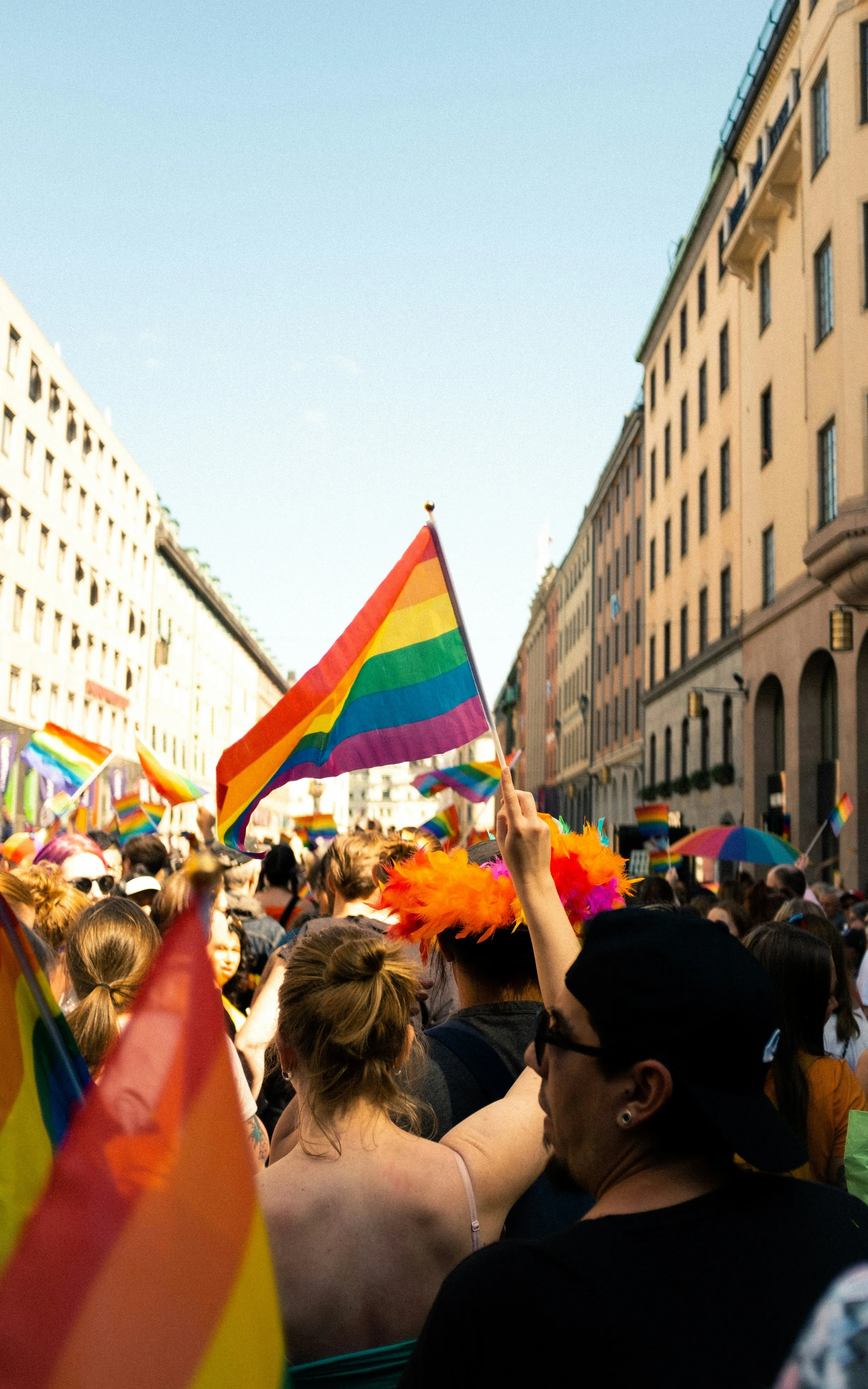
As a therapist, I am committed to fostering an environment of inclusivity, acceptance, and psychological safety for all. Understanding the history of Pride Month can help us better appreciate its significance and explore meaningful ways to celebrate and support the LGBTQIA+ community throughout the year.
The origins of Pride Month trace back to the Stonewall Riots of 1969 in New York City. The riots began after a police raid at the Stonewall Inn, a popular gay bar, on June 28, 1969. The raid sparked widespread anger over ongoing discrimination and harassment faced by members of the LGBTQIA+ community. Protests continued for several days and became a catalyst for the modern gay rights movement.
One year later, the first Pride march, known as Christopher Street Liberation Day, was held to commemorate the anniversary of the Stonewall Riots. Today, the Stonewall Riots are widely recognized as a pivotal moment in LGBTQIA+ history and advocacy.
In 1999, President Bill Clinton became the first U.S. President to formally recognize June as Gay and Lesbian Pride Month. Since then, Pride Month has expanded to celebrate the diversity and inclusion of the broader LGBTQIA+ community. By 2022, more than 100 countries around the world were hosting Pride celebrations or LGBTQIA+ visibility events.
While Pride Month is often associated with parades and celebrations, it has also evolved into a time for education, advocacy, community building, networking events, conferences, performances, and meaningful conversations about equality and belonging.
How to Support the LGBTQIA+ Community During Pride Month
Many people think of Pride Month as a time to wear rainbow apparel or attend social events. While those can certainly be meaningful expressions of support, there are many other impactful ways to honor Pride Month and contribute to a more inclusive community.
Learning how to support LGBTQIA+ individuals during Pride Month and throughout the year can help foster empathy, understanding, and belonging.
Ways to Celebrate Pride Month and Be an Ally
Be an ally. Allyship can take many forms, including listening, learning, advocating, and standing up against discrimination. For additional information about allyship, check out my colleague Linsi's blog post on the topic.
Support LGBTQIA+-owned businesses, including bookstores, cafés, restaurants, artists, and clothing stores.
Volunteer with organizations that advocate for LGBTQIA+ rights and provide services to the community.
Educate yourself and others about LGBTQIA+ history, mental health concerns, current events, and ongoing challenges faced by the community.
Donate to organizations that support LGBTQIA+ individuals, such as Capital Pride Alliance and The Trevor Project.
Use your voice to raise awareness and advocate for LGBTQIA+ rights through conversations, social media, community engagement, and peaceful demonstrations.
Contact local elected officials regarding policies and legislation that impact LGBTQIA+ individuals and families.
Recognize that Pride Month may bring up a wide range of emotions. Not everyone celebrates Pride in the same way, and participation is always a personal choice.
LGBTQIA+-Owned Businesses to Support in Washington, DC and Maryland
One meaningful way to celebrate Pride Month is by supporting LGBTQIA+-owned businesses. Investing in these businesses helps promote economic empowerment, visibility, and representation within local communities.
If you're looking for LGBTQIA+-owned businesses in Washington, DC or Maryland, consider supporting the following:
Washington, DC & Maryland LGBTQIA-owned businesses
The Capital Candy Jar - A decorative sweets shop owned by Dave Burton and located in Northeast Washington, DC.
Loyalty Bookstores - An independent bookstore with locations in Petworth, DC and Silver Spring, Maryland that highlights works by BIPOC and LGBTQIA+ authors.
Little District Books - A Queer-owned neighborhood bookstore in Washington, DC that celebrates LGBTQIA+ stories and authors.
Knead Hospitality & Design - A Queer-owned hospitality group operating several popular DC restaurants, including Mi Vida, Gatsby, Succotash, and Mi Casa.
Red Bear Brewing - Washington, DC's only gay-owned brewery, located in the NoMa neighborhood.
Thurst Lounge - Washington, DC's first Black and Queer-owned lounge, located in the U Street Corridor.
Licht Café - A popular LGBTQIA+-friendly café and bar located in Washington, DC.
Charm City Threads - A woman-owned, Latina-owned, and Queer-owned boutique in Baltimore offering vintage goods, stickers, and unique gifts.
Baltimore Flamingos - An LGBTQIA+-inclusive rugby community that promotes connection, wellness, and community involvement.
Red Emma's - A Baltimore bookstore and café known for fostering community, inclusion, and social engagement.
Prioritizing Mental Health During Pride Month
While Pride Month can be a time of celebration, it can also bring up difficult emotions for some individuals. Experiences of discrimination, family rejection, identity exploration, grief, or social stress can make this time of year particularly challenging.
If Pride Month feels difficult for you, remember that you are not alone. Prioritizing your mental health is important, and seeking support can be a valuable step toward healing and self-acceptance.
Working with an LGBTQIA+-affirming therapist can provide a safe space to process emotions, navigate challenges, and build resilience. If you are looking for support, consider reaching out to a mental health professional who understands and affirms your experiences.
About the Author

This article was written by Alex Earley, LGPC, a Therapist in Washington, DC with a clinical focus on LGBTQIA issues, life adjustments and anxiety. Alex provides individual therapy virtually to clients physically located in Washington, DC.
If you’re considering therapy and want to explore whether Alex may be a good fit, you can learn more about her clinical approach and areas of expertise or book a free phone consultation with Alex to discuss your needs and next steps.