How Social Media Impacts Mental Health and Identity
Social media shapes more than what we buy, watch, or listen to, it also shapes how we see ourselves. The content we consume daily can influence our confidence, emotional wellbeing, and sense of belonging in ways we may not even realize.
For people with intersectional identities related to race, gender, sexuality, disability, neurodivergence, religion, culture, or other lived experiences, social media can either feel affirming or deeply isolating. When our identities are missing from the content we engage with, it can quietly reinforce feelings of invisibility or disconnection.
At the same time, seeing people who reflect our lived experiences can feel validating, comforting, and empowering.
Understanding Salient Identities
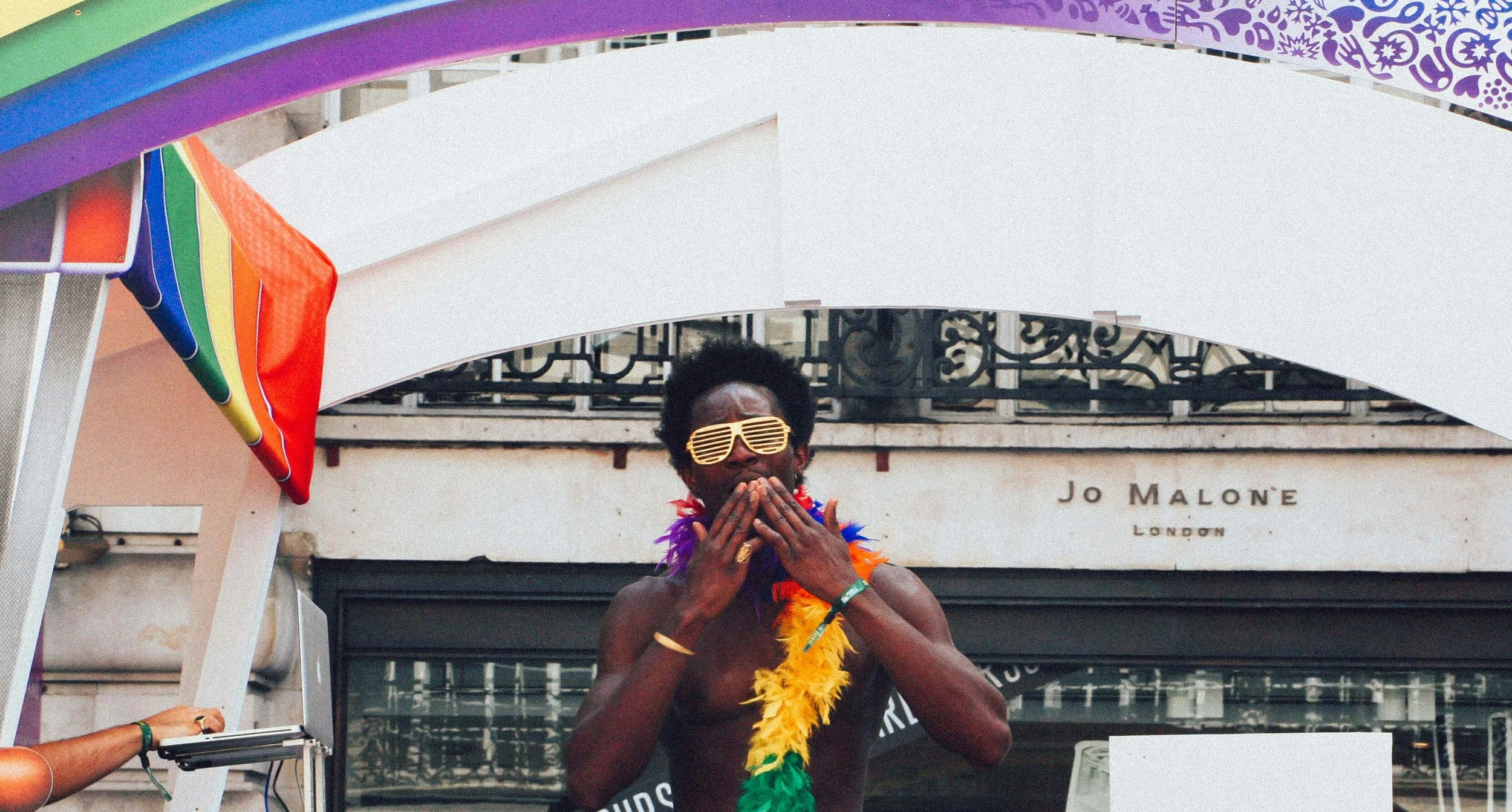
A salient identity is any part of who you are that feels especially important in a specific moment or environment. For some people, this may be being LGBTQIA+, Black, neurodivergent, disabled, or a first-generation college student.
These identities shape how we experience the world and how we interpret the messages around us, including online.
When we rarely see ourselves represented online, it can subtly send the message that our experiences are less important or less understood. Over time, this can contribute to isolation, self-doubt, and emotional exhaustion.
Why Representation Online Matters
Social media often acts like a mirror. If your feed constantly centers people whose lives or identities feel disconnected from your own, it can slowly pull you away from your sense of self.
On the other hand, identity-affirming content can help people feel:
Seen and represented
More connected to community
Emotionally validated
More confident in who they are
This is especially important for people whose identities have historically been stigmatized or underrepresented.
Seeing creators, educators, therapists, and advocates who share your lived experiences can remind you that you are not alone.
The Emotional Impact of Harmful Content
Not all content is emotionally neutral. Constant exposure to comparison, outrage, trauma-centered content, or invalidating messages can leave people feeling anxious, overwhelmed, or emotionally drained.
Many people also find themselves stuck in cycles of doomscrolling, continuously consuming distressing content long after it stops being helpful.
Staying informed matters, but so does protecting your emotional wellbeing.
Final Thoughts
Social media is not inherently harmful or healing, it depends on what we consume and how we engage with it.
The content you interact with daily affects your emotional wellbeing more than you may realize. Your feed should not constantly leave you feeling disconnected from yourself or your community.
Check out part two, where we explore how to intentionally curate a social media feed that supports your mental health and reflects the identities that matter most to you.
About the Author

This article was written by Essie Connor, LGPC, a Therapist in Maryland and Virginia with a clinical focus on trauma, anxiety and perfectionism. Essie works with individuals working through perfectionism, LGBTQIA concerns and identity challenges.
If you’re considering therapy and want to explore whether Essie may be a good fit, you can learn more about her clinical approach and areas of expertise or book a free phone consultation with Essie to discuss your needs and next steps.